
Are Plug-and-Play Hot Tubs Easier to Install? What to Consider Before You Buy
A backyard spa can be appealing, but installing one involves more than choosing a comfortable seat and filling it with water. Homeowners must account for electrical connections, a stable base, delivery access, and ongoing maintenance. Plug-and-play models simplify part of that process because they are designed to operate using an appropriate household electrical supply. That convenience does not mean every yard or outlet is ready for one.
Before comparing models, consider how often the spa will be used, who will use it, and how the local climate affects heating. Understanding what plug-and-play actually means helps prevent costly assumptions after delivery.
Understand What Plug-and-Play Really Means
Most plug-and-play spas are designed for a 120-volt connection rather than the dedicated 240-volt hookup commonly used by larger hardwired models. Some have factory-installed power cords and ground-fault circuit interrupter protection. Requirements still vary by manufacturer, and the owner's manual determines what connection is acceptable.
According to Yahoo! Finance, the North American hot tub market was valued at USD 2.8 billion in 2025 and is projected to grow at a compound annual growth rate of 4.7%, reaching USD 4.5 billion by 2035. That industry forecast does not mean every plug-and-play product suits every household. Buyers comparing hot tubs should evaluate actual features, seating, insulation, and electrical needs rather than relying on the label alone.
Choose a Level, Load-Bearing Location
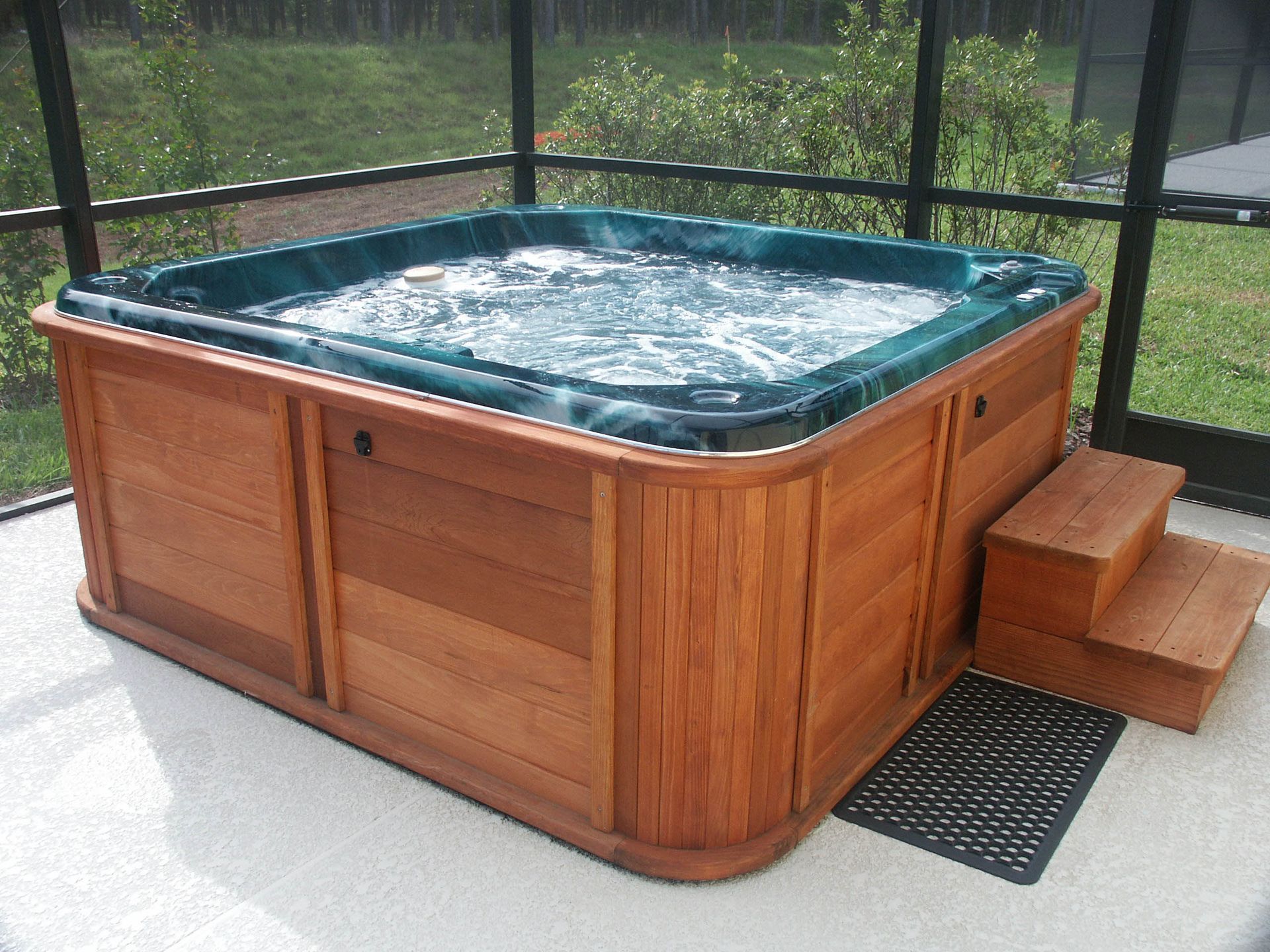
A filled spa is much heavier than an empty one. Water, occupants, and the cabinet all contribute to the load, so an ordinary deck cannot be assumed suitable. A properly prepared concrete pad or another manufacturer-approved surface may work, while an elevated deck might require evaluation by a qualified structural professional.
The surface should be level, stable, and capable of supporting the full operating weight. Leave enough clearance for the cover, steps, equipment access, and safe movement around the spa. Consider overhead wires, nearby doors, drainage, and the distance from the electrical connection. A beautiful corner of the patio is not a practical location if service panels cannot be opened or water will collect beside the foundation. These precautions apply to compact spas as well as larger models; a smaller footprint does not necessarily mean a lighter filled load.
Verify Electrical Safety Before Delivery
A standard-looking receptacle is not automatically suitable for a spa. Many 120-volt hot tubs require a dedicated, properly grounded circuit with appropriate GFCI protection. The specified amperage, outlet location, and cord arrangement depend on the product and applicable electrical codes. An electrician can confirm whether the existing installation meets those requirements or needs modification.
Never plan to reach a distant outlet with an extension cord. Spa manufacturers commonly prohibit extension cords because they can overheat or cause voltage problems. Do not modify the factory cord or bypass protective devices. Even when a model can be plugged in without permanent hardwiring, checking the electrical setup is a safety step, not an optional upgrade. If the property lacks a suitable outlet, have the needed electrical work completed and checked before the spa is positioned.
Plan for Access, Filling, and Drainage
Delivery can be the most overlooked part of installation. Measure gates, walkways, turns, and overhead clearances before choosing a model. A portable spa is still large and heavy, and moving it across landscaping or onto a raised surface may require specialized handling. Ask whether delivery includes positioning, setup, or only curbside drop-off.
Most self-contained spas can be filled with a garden hose, but owners must follow the manufacturer's directions for water level and startup. Plan where the used water can be drained later. Local rules may restrict discharging treated spa water into storm drains or onto neighboring land. A convenient hose connection does not replace a safe drainage plan.
Compare Heating and Jet Performance
Plug-and-play hot tubs can have trade-offs. On certain 120-volt models, the heater cannot operate at full output while high-speed jets run. Heating may also take longer than with some 240-volt models, particularly during cold weather. Performance depends on the specific unit, its insulation, the cover, outdoor temperature, and how frequently it is opened.
Ask for the actual electrical and heating specifications rather than assuming that lower voltage means lower running costs. For households that want frequent winter use, recovery time after a long soak may matter more than simple initial setup. A model that meets the electrical needs of the property should also provide the comfort and capacity its users expect. Ask how quickly the heater recovers after the cover is opened and whether different jet settings affect heating operation.
Compare the Complete Ownership Costs
The purchase price is only one consideration. Delivery, base preparation, electrical corrections, steps, a suitable cover, water-care supplies, and future service can affect the overall budget. Even a unit advertised as easy to install might need professional work before the first use.
Electricity consumption depends on insulation, climate, water temperature, and usage habits, not just whether the spa plugs into a household outlet. When comparing hot tubs, ask about replacement filters, warranty coverage, energy information, and local repair support. A cheaper model can become less attractive if access to parts is limited or it struggles to maintain a comfortable temperature. Request a written explanation of what the seller provides and what the homeowner must arrange separately.
Keep Water Clean and Equipment Working
Easy installation should not be confused with maintenance-free ownership. Spa water needs appropriate disinfection, filtration, and testing. Follow the manufacturer and water-treatment product instructions for sanitizer levels, pH, filter cleaning, and water replacement. The Centers for Disease Control and Prevention advises that hot tub water should not exceed 104 degrees Fahrenheit.
Inspect covers, accessible fittings, and surrounding surfaces for wear or leaks. Keep the spa covered when not in use to reduce debris and heat loss. If the water becomes cloudy or develops a strong odor, do not assume that adding more product without testing will solve the problem. Routine attention helps protect users and reduces avoidable equipment problems.
Check Local Rules and Household Needs
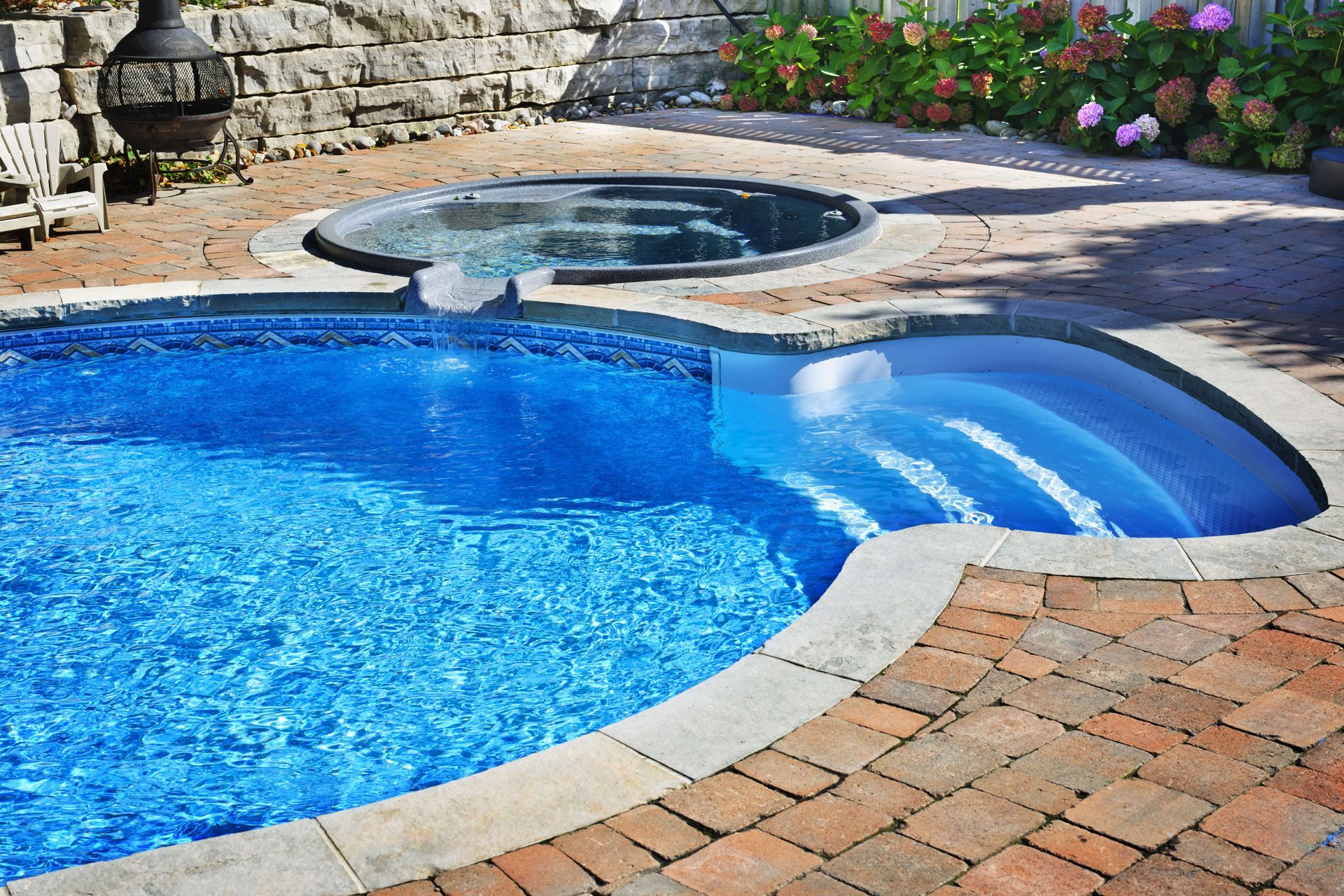
Permits and electrical inspections vary by location, and some communities have fencing, barrier, or placement requirements. Property associations may have additional rules. Confirm these before delivery, especially if the spa will sit near a property line, on a deck, or beside an existing pool.
Think about accessibility and safe entry, too. Steps, handrails, lighting, and nonslip surfaces may make a meaningful difference. Households with young children should plan appropriate barriers and a secure cover. If moving the spa later is important, remember that it must be drained and disconnected before relocation, and its new location will need the same support and electrical checks. For
hot tubs positioned near fencing or outdoor electrical equipment, required access and code clearances can shape the layout more than appearance.
Decide Whether Professional Help Is Worthwhile
A plug-and-play model may reduce the amount of electrical work required, but it does not eliminate the need to evaluate the site. A dealer can explain model requirements, while qualified electricians or structural professionals can address conditions beyond routine spa setup. Asking those questions early is usually easier than correcting a problem after the spa arrives.
For homeowners comparing spa models in West Virginia, Leisure World Pools & Spas offers spa sales, installation, maintenance, and repair services. Contact the business to discuss available plug-and-play models, site requirements, and the practical steps needed before filling and using a new spa.



Share On: